Key Takeaways:
- Preventive HVAC maintenance dramatically lowers your risk of expensive, emergency HVAC repairs by catching problems early and correcting them.
- Regular tune-ups keep coils clean, filters clear, and refrigerant at proper levels so your HVAC system runs efficiently.
- Many of the most common HVAC emergencies begin as small, preventable issues.
- In hot, humid areas like Port St. Lucie and the Treasure Coast, seasonal maintenance helps your HVAC system handle long cooling seasons without constant breakdowns.
- Partnering with a trusted, local company like American Air Cares provides you with experienced techs, pro inspections, and maintenance plans.
What Is Preventive HVAC Maintenance?
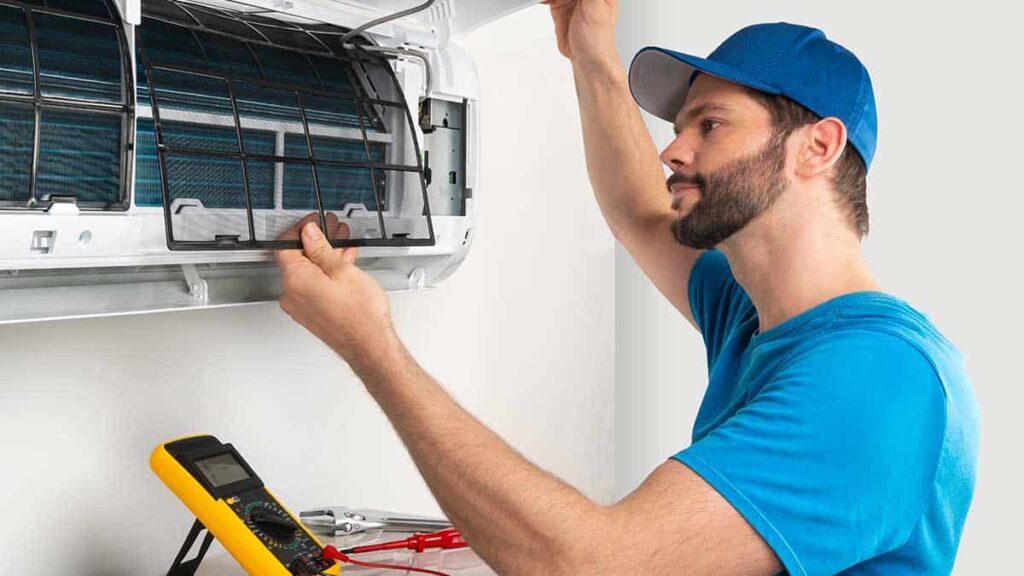
Preventive HVAC maintenance is the routine, scheduled care that your heating and air conditioning equipment needs before building up enough faults to finally call it quits. Instead of waiting for your air conditioner to break, proactively schedule inspections, tune-ups, and cleanings throughout the year. For homeowners in Port St. Lucie, that often means planning ahead of the extreme Florida heat so your air conditioning is ready to rock and roll before you really need it to. Typical preventive maintenance tasks include filter changes, coil cleanings, refrigerant checks, dust inspections, lubrication of moving parts, thermostat calibration, and safety checks on electrical components. This is very different from reactive maintenance, where you only call for an HVAC service when something fails, and you need emergency HVAC repairs immediately. By focusing on proactive HVAC maintenance, you will ultimately protect your system’s performance capabilities, reduce the likelihood of unexpected breakdowns, and extend your heating system and air conditioning life span.Why HVAC Systems Fail Without Regular Maintenance
When HVAC systems don’t receive regular maintenance, small issues build up until they cause major harm. Dirt, dust, and debris accumulate on coils and filters, inside air ducts, airflow becomes restricted, and components begin to wear out under constant strain. In time, neglect leads to compressor burnout, frozen coils, low refrigerant, and other significant issues that often require emergency AC repair. Common failure triggers include:- Dirty or clogged filters that starve the system of airflow.
- Refrigerant leaks that force the compressor to work harder.
- Frozen evaporator coils are caused by restricted airflow or low refrigerant.
- Loose electrical connections create shorts or circuit breaker trips.
Preventive Maintenance vs Emergency HVAC Repairs
From the standpoint of cost and stress, preventive maintenance and emergency HVAC repairs are on opposite ends of the spectrum. Preventive maintenance is planned, and you know when the technician is coming. You can budget for the visit and usually pay a predictable amount for the inspection, cleaning, and minor adjustments. Emergency HVAC repairs, on the other hand, typically involve much higher rates, after-hours fees, and costly part replacements. Data from maintenance and facilities shows that emergency HVAC repairs can cost 50% to 100% more than standard service calls, and running equipment to failure can be 3x to 10x more expensive than maintaining it properly. Common emergency expenses include:- Compressor replacement after repeated overheating and low refrigerant.
- Repairing major refrigerant leaks and recharging the system.
- Fixing circuit failures, burned wiring, or blown capacitors.
How Preventive Maintenance Improves System Efficiency
A well-maintained HVAC system not only breaks down less but also runs more efficiently, saving you money in the long run. Clean coils, properly charged refrigerant, and unobstructed airflow help your air conditioner or heat pump operate according to its efficiency ratings. Critical. efficiency benefits include the following:- Lower energy consumption thanks to reduced strain on the compressor and fan motors.
- More consistent cooling and heating, even during hot and cold snaps.
- Less frequent on-off cycling reduces wear and tear on your air conditioner components.
Common Preventive Maintenance Tasks and Their Benefits
Preventive HVAC maintenance includes a set of core tasks that all work together to protect your overall comfort and reduce emergency repairs.Filter Replacement
Replacing or cleaning air filters regularly keeps air moving freely through your HVAC system. A clean filter promotes the following:- Prevents airflow restriction that strains the blower motor.
- Helps keep coils and ducts cleaner over time.
- Improves indoor air quality by trapping dust and allergens.
Coil Cleaning
Evaporator and condenser coils transfer heat, so whenever they become dirty or clogged up, your system has to work overtime to keep the wheels spinning. Coil cleaning involves:- Maintaining efficient heat transfer for better cooling performance.
- Reducing the risk of frozen coils caused by dirt and restricted airflow.
- Helps the system reach set temperatures more quickly.
Refrigerant Level Check
A correct refrigerant charge is critical for your air conditioner, because it makes cooling more efficient and provides compressor protection. Refrigerant checks:- Make sure your air conditioner can cool as it was designed to do.
- Helps detect refrigerant leaks before they cause any serious issues.
- Reduces the chance of compressor damage and emergency HVAC repairs.
Electrical and Mechanical Inspections
Loose or worn components can quickly turn into an HVAC emergency if you don’t catch them early enough. Inspections of wiring and moving parts:- Identify loose wires, faulty capacitors, and weak connections.
- Catch worn belts and bearings before they fail.
- Reduce safety risks from electrical issues or sudden system failures.
Drain Line and Condensate Maintenance
Your air conditioning system creates a ton of moisture, which must be properly drained away so it doesn’t invite mold and mildew into the system. Drain and condensate maintenance:- Prevents water leaks and potential water damage around the indoor unit.
- Reduces mold growth and related health risks in drain pans and lines.
- Helps avoid system shutdowns caused by float switches or blocked drains.
Ductwork Inspection and Sealing
Leaky or poorly sealed ducts waste a lot of energy and reduce comfort throughout the household. Duct inspections:- Minimize energy loss by sealing leaks and gaps.
- Improve airflow to all rooms for more balanced temperatures.
- Reduce strain on the HVAC unit by ensuring air distribution is efficient.
Early Detection of Problems Reduces Emergency Repairs
One of the biggest advantages of preventive maintenance is the most obvious: early detection. When experienced technicians inspect your HVAC system, they will spot subtle warning signs that homeowners might miss, like refrigerant leaks, unusual noises, short cycling, or small electrical issues that serve as threats to your cooling system. Here are some examples:- A small refrigerant leak that, if ignored, could lead to frozen coils and compressor failure.
- A failing capacitor could cause the system to fail to start up on a hot day.
- A partially clogged condensate drain that could eventually cause water leaks and shutdowns.
How Often Should Preventive Maintenance Be Performed?
Most residential HVAC systems perform best with maintenance at least twice a year, once in the spring for your air conditioning system and once in the fall for your heating system. This schedule covers your air conditioner, heat pump, or furnace, making sure they are tuned up and ready to go before extreme temperatures roll in. Some tasks, like filter replacement, may need to happen with a little more frequency, especially if you have pets, allergies, or high dust levels in your home. Other tasks, like deep coil cleanings or comprehensive inspections, can be done annually or semiannually, depending on the age of your system and the amount of use.FAQs About Preventive HVAC Maintenance and Emergency Repairs
What is considered preventive HVAC maintenance?
Preventive HVAC maintenance includes scheduled inspections, tune-ups, and cleanings to keep your heating and cooling equipment running smoothly. The core tasks include filter changes, coil cleaning, refrigerant checks, drain line maintenance, duct inspections, and electrical safety checks.
How does preventive maintenance prevent emergency HVAC repairs?
By inspecting your system regularly, technicians will catch problems like refrigerant leaks, worn parts, loose wiring, and restricted airflow before they result in a malfunctioning HVAC system.
Can skipping preventive maintenance really shorten my AC system's lifespan?
Yes. When an HVAC system runs with dirty coils, clogged air filters, or low refrigerant, components have to compensate by working harder, causing them to wear out faster.
How often should preventive maintenance be performed?
Most manufacturers and HVAC professionals recommend maintenance at least twice per year. This includes once in the spring before the heat of summer arrives and once in the fall before the cold temps of winter roll in.
Can I do preventive maintenance myself, or should I hire a professional?
Homeowners can and should handle basic tasks like changing air filters, keeping outdoor units free of trash and debris, and checking thermostat settings. However, professional HVAC service is important for refrigerant checks, electrical testing, coil cleaning, and detailed inspections.
What signs indicate my HVAC system needs immediate attention despite regular maintenance?
Even with regular maintenance, you should call for immediate help if you notice burning smells, electrical issues, tripped circuit breakers, unusual noises, rapid short cycling, or the system blowing only warm air when it should be cooling.
Does preventive maintenance improve energy efficiency?
Yes. Preventive maintenance improves energy efficiency because it means your HVAC system is running more efficiently, reducing energy consumption and lowering utility bills. Preventive maintenance also helps maintain consistent comfort while saving money.
Can preventive maintenance detect problems that affect indoor air quality?
Yes, technicians will identify dirty air filters, mold-prone drain pans, dust-filled ducts, and ventilation problems that disrupt indoor air quality. Taking care of these issues improves your overall comfort and health at home, especially in households with allergies or respiratory concerns.