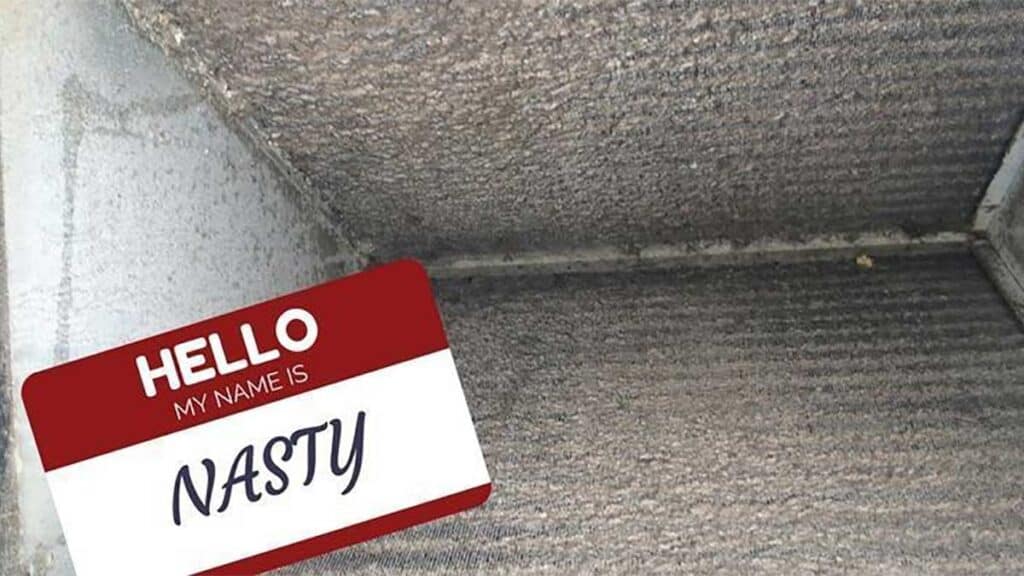
You lower the thermostat, but the house still feels warm. Air moves through the vents, yet it feels weak and uneven. The system runs longer than it should, and the energy bill starts climbing without explanation from the air conditioning system or AC unit.
This kind of performance drop often traces back to a simple issue—lack of routine cleaning and regular maintenance. The U.S. Department of Energy reports that proper maintenance of heating and cooling systems reduces energy consumption by up to 20%.
Knowing how often air conditioners should be cleaned gives homeowners control over the problem before it grows. A consistent AC maintenance schedule keeps airflow steady, protects key components, and supports reliable cooling during peak demand.
What you’ll learn in this blog post:
- How often should air conditioners be cleaned
- What parts need cleaning and when
- When to handle maintenance yourself and when to call professionals
- What happens when cleaning is ignored
How Often Should Air Conditioners Be Cleaned?
Regular cleaning follows a clear schedule. Most systems perform best with a mix of routine homeowner upkeep and annual professional service. A consistent AC maintenance schedule keeps airflow stable and supports efficient operation across the system while preventing buildup that strains components.
Standard AC Maintenance Schedule
Most air conditioning units need a combination of frequent light maintenance and periodic deep cleaning. Each component follows its own timeline based on how it collects dust, debris, and moisture.
- Air filters: every 1–3 months, depending on use, pets, and indoor conditions
- Evaporator and condenser coils: at least once per year
- Full system inspection and cleaning: once annually by a professional
- Outdoor unit (condenser): clear debris regularly to maintain airflow
This schedule covers the basics of how often to clean air conditioner components without overcomplicating the process. Sticking to it supports steady performance and reduces avoidable strain on the system.
Factors That Change Cleaning Frequency
Some systems need more attention than others. Usage patterns and environmental conditions directly affect HVAC maintenance frequency and the rate at which buildup forms inside the unit.
- Heavy use: systems running daily during long cooling seasons collect debris faster
- Dust, pollen, or pet hair: indoor air conditions increase filter and coil buildup
- Humidity: moisture allows dirt to stick and creates conditions for mold growth
- Air quality concerns: households with allergies benefit from more frequent cleaning
These factors shift how often air conditioners should be cleaned from a standard schedule to a more tailored approach. Adjusting maintenance based on real conditions keeps performance consistent without unnecessary service.
What Parts of Your AC Need Regular Cleaning
Air conditioners rely on several components working together to move air and remove heat. When dirt builds up in any one of these areas, performance drops across the entire system. Understanding what needs attention keeps maintenance focused and effective.
Air Filters (Most Frequent)
Air filters collect dust, pet hair, debris, and airborne particles before they reach the system. As they fill up, airflow becomes restricted, forcing the unit to work harder to maintain the same temperature.
- Replace or clean filters every 1–3 months
- Check more often during heavy use or in homes with pets
- Watch for visible buildup or reduced airflow at vents
This is the simplest part of any air conditioner maintenance checklist and one of the most important for maintaining steady airflow.
Evaporator and Condenser Coils
Coils handle the core cooling process, which makes them highly sensitive to dirt and debris. When buildup forms on the surface, heat transfer slows, and the system loses efficiency, especially across the evaporator and condenser coils.
- Clean coils at least once per year
- Inspect evaporator coil surfaces for buildup during annual maintenance
- Inspect more often in dusty or humid environments
- Keep the outdoor condenser unit free of leaves and debris
Knowing how often to clean AC coils depends on conditions, but annual cleaning remains the baseline. Both evaporator and condenser coils need attention to keep the system running at full capacity.
Ductwork and Airflow System
Air ducts carry cooled air throughout the home, and over time, they collect dust and irritating allergens. That buildup reduces airflow and affects indoor air quality across the HVAC system, especially in systems that run frequently.
- Inspect ducts for visible dust or debris near vents
- Schedule professional cleaning every few years or as needed
- Address airflow issues that persist after filter changes
For deeper buildup within the system, professional Air Duct Cleaning helps restore airflow and improve indoor air quality without placing extra strain on the unit.
Signs Your Air Conditioner Needs Cleaning
Air conditioners rarely fail without warning. Performance changes show up early, often in ways that are easy to overlook. Recognizing these signs helps catch buildup before it turns into a larger system issue.
Reduced Cooling Performance
A system that runs longer without reaching the desired temperature usually points to restricted airflow or dirty components. Air feels weaker at the vents, and some rooms cool unevenly. Buildup on filters or coils limits heat transfer, forcing the system to work harder.
Higher Energy Bills
A sudden increase in energy use without a change in settings often signals an efficiency problem. Longer run cycles increase energy consumption as the system compensates for reduced airflow and heat exchange.
The U.S. Environmental Protection Agency notes that proper maintenance improves efficiency and reduces energy use.
Poor Air Quality or Odors
Dust, mold, bacteria, and other allergens collect inside the system and circulate through the air. Musty odors, visible dust near vents, or increased allergy symptoms point to buildup inside key components. Cleaning restores airflow and improves indoor air conditions.
What Happens If You Don’t Clean Your AC
Skipping regular cleaning does not just reduce performance. It puts steady strain on the system, which leads to higher costs and reduced cooling efficiency. Equipment lifespan suffers, and small issues build quietly until they turn into repairs that could have been avoided.
System Efficiency Drops
Dirt on filters and coils restricts airflow and slows heat transfer, limiting efficient heat transfer across the system. The system runs longer cycles to reach the same temperature, using more energy with less output. That drop in efficiency shows up quickly in both comfort and monthly costs.
Wear and Tear Increases
When airflow is restricted, internal components operate under added stress. Motors, fans, and compressors work harder than they should, which accelerates wear. Over time, that strain increases the likelihood of breakdowns during peak use.
Risk of Costly Repairs or Replacement
Neglected systems often move from minor performance issues to major failures without much warning. Components wear out faster, and repairs become more frequent as the system struggles to keep up.
In more severe cases, ongoing strain leads homeowners to opt for full AC replacement rather than AC repair.
AC Maintenance Checklist for Long-Term Performance
A consistent routine helps prevent small issues from becoming system strain. This checklist focuses on core maintenance tips to support airflow, efficiency, and long-term performance without overcomplicating the process.
Air Conditioner Maintenance Checklist
- Replace or clean air filters every 1–3 months
- Inspect and clean evaporator and condenser coils annually
- Keep the outdoor unit clear of leaves, dirt, and debris
- Check vents for proper airflow and remove visible dust
- Monitor system performance for longer run times or weak airflow
- Schedule annual professional AC cleaning and inspection
- Flush the condensate drain line to prevent clogs
Airflow plays a role across more than just the cooling system. Buildup in vents and connected systems restricts circulation and reduces efficiency throughout the cooling system. Services like Dryer Vent Cleaning help maintain proper airflow and support overall system performance.
DIY vs Professional AC Cleaning
Some maintenance tasks fall within reach for homeowners, while others require a professional technician with specialized tools and training. Knowing where to draw that line helps avoid damage and keeps the system running as intended.
What Homeowners Are Able to Handle
Basic upkeep focuses on keeping airflow clear and preventing surface buildup. These tasks support performance between professional service visits.
- Replace or clean air filters regularly
- Clear debris from around the outdoor unit
- Wipe accessible vents and remove visible dust
- Monitor airflow and system behavior
These steps cover routine upkeep, but they do not address internal buildup or deeper system issues.
The Value of Regular AC Cleaning
Professional AC cleaning protects the system in ways routine upkeep cannot match. Internal components collect buildup that restricts airflow and reduces efficiency over time. A thorough cleaning restores proper operation and keeps the system running at a consistent level during heavy use.
Professional AC cleaning delivers measurable benefits:
- Lower monthly energy use from improved airflow and heat transfer
- Stronger, more consistent cooling during peak demand
- Fewer unexpected breakdowns during high-use seasons
- Less strain on core components like the compressor and fan
- Cleaner indoor air with reduced dust and buildup
Professional service keeps performance stable and reduces the risk of larger issues developing over time.
Keep Your AC Running Efficiently Year-Round
We see what happens when maintenance gets pushed aside. Systems lose airflow and struggle to keep up during the hottest parts of the season. Those issues build quietly until they show up as higher costs or unexpected repairs.
At American Air Cares, we restore performance through professional AC cleaning and detailed system service. Our experienced team clears the buildup that restricts airflow, restoring the system to stable operation. That level of care supports consistent cooling and protects the system from ongoing strain.
Contact American Air Cares today to schedule professional AC cleaning in the Olympia area and keep your system running efficiently. A properly maintained system delivers stronger cooling, lower operating costs, and fewer disruptions when you need it most.
Air Conditioner Cleaning Questions Answered
How often should I clean my AC filters?
Could I clean my AC myself, or should I hire a professional?
What happens if I don’t clean my air conditioner regularly?
How often should AC coils be cleaned?
Will a dirty AC cause higher energy bills?
What tools do I need for DIY AC cleaning?
Basic maintenance uses simple tools, such as replacement filters and a soft brush, to remove visible dust. Homeowners should also clear debris from around the outdoor unit to keep airflow open. Internal cleaning requires equipment and training that go beyond routine upkeep.