You can have the perfect place and still breathe dirty air.
Dust, pet hair, mold spores, and bacteria can keep circulating indoors, no matter how clean you keep things. If they’re in your space, they’re in your airflow. Your HVAC system can keep moving them from room to room.
The EPA reports indoor air can be 2 to 5 times more polluted than outdoor air. More homeowners are turning to whole-house options like an HVAC air purifier because of it.
If you’ve looked at portable units and thought, “Can I do this through my HVAC system instead?”, the answer is yes in many cases. An air purifier for HVAC systems works with your existing setup to clean air as it moves through your home. In this post, we’ll walk through it step by step.
TL;DR
- You can install an HVAC air purifier in most systems
- A whole-home HVAC air purification system helps improve air quality throughout the house
- It can reduce dust, allergens, and airborne particles
- It can support better airflow and help your system run cleaner
- You’ll need a technician to confirm fit and placement
- Regular maintenance keeps the purifier working well
Indoor Air Quality and Why It Matters
Indoor air quality refers to the amount of pollutants in the air inside your home, like dust, pet dander, mold spores, volatile organic compounds (VOCs), and bacteria or viruses. Breathing them in can affect your health, especially if you already have respiratory issues or a weakened immune system.
If your ducts are holding on to dust and debris, it can make the problem worse. You should consider discussing air duct cleaning with your technician to tackle the source of the buildup.
What Is an HVAC System?
Before we look at adding an air purifier to the HVAC setup, let’s understand the system itself.
HVAC stands for Heating, Ventilation, and Air Conditioning. It regulates temperature, humidity, and air circulation inside your home.
Most HVAC systems include:
- Furnace or heat pump
- Air conditioner
- Ductwork
- Vents
Your system already filters air as it cycles, but standard filters don’t catch everything. An HVAC air purification system can help by targeting smaller particles and other contaminants basic filters may miss.
What Is an Air Purifier?
An air purifier is designed to pull air in, trap or neutralize unwanted particles using filters or other technology, then releases cleaner air back. Depending on the type, air purifiers can help reduce dust, pollen, smoke, pet dander, and some airborne germs.
You’ll generally see two main options:
- Standalone (portable) air purifiers
- In-duct air purification systems
Standalone air purifiers are portable devices that can be placed in specific rooms to improve air quality. In-duct air purification systems, on the other hand, are integrated into your HVAC system and work alongside it to purify the air throughout your entire home.
Benefits of Integrating an Air Purifier Into Your HVAC System
When you create an HVAC with an air purifier, it cleans the air while it circulates. You get better air quality across the entire home, not just in one room.
Cleaner air throughout your home
The purifier treats air at a central point before it moves through your ductwork. So, instead of one “clean” room and the rest staying the same, you get more consistent air quality throughout the house.
Reduced allergens and airborne particles
Whole-home systems can capture smaller particles like pollen, dust, and pet dander. This helps cut down on the airborne irritants that standard HVAC filters may miss, especially the fine particles that stay suspended in the air.
Better respiratory comfort
Cleaner air can feel lighter and easier to breathe. If you’re sensitive to dust, deal with allergies, or just hate the “stuffy house” feeling, this can make a noticeable difference in your day-to-day comfort.
Improved HVAC system performance
With fewer particles getting pulled into the system, there’s less gunk collecting in ducts and on internal components. It helps support steady airflow and can reduce how hard your system has to work.
Odor control across living spaces
Since the air keeps circulating, the purifier can help reduce odors from pets, cooking, and smoke. Rather than cover the smells up, it helps remove the particles carrying them through the house.
How Does an In-Duct Air Purification System Work?
An in-duct system installs directly into your HVAC setup, usually near the air handler or furnace. Once it’s in place, it purifies the air continuously as it moves through the ductwork.
Installed inside your HVAC system
Unlike portable units that sit in a room, an in-duct purifier becomes part of your HVAC system. The placement allows the unit to treat air before it gets pushed out through your vents.
Photocatalytic oxidation (PCO)
Some in-duct systems use photocatalytic oxidation, or PCO. Essentially, this technology combines UV light with a catalyst to create a chemical reaction that helps break down certain pollutants. It’s typically used to target things like VOCs and bacteria in the moving airflow.
Ionization
Ionization systems release charged particles (ions) into the air. These ions attach to airborne contaminants, which helps neutralize them and makes them easier to capture as air continues moving through the system.
Additional filtration
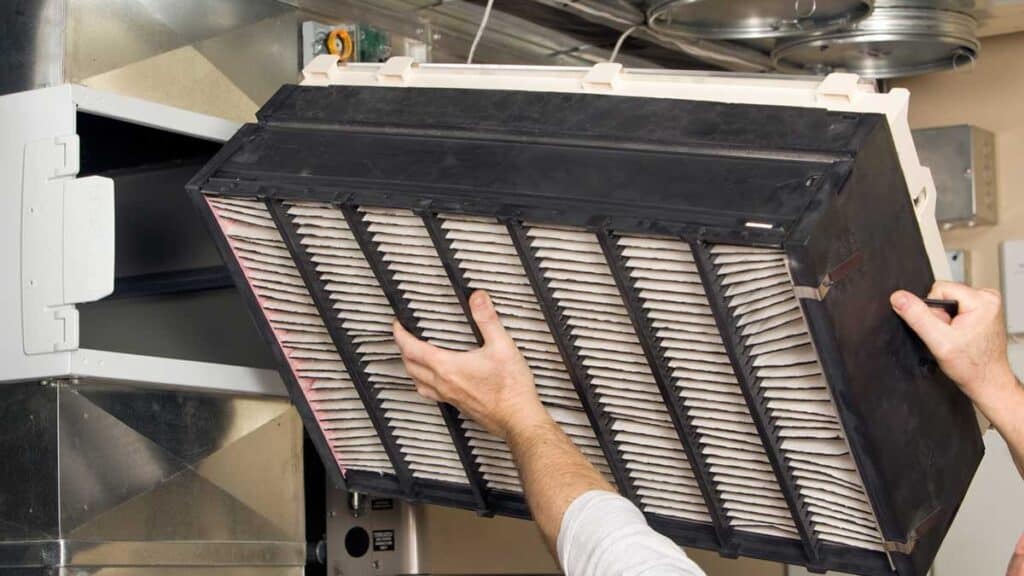
Many in-duct systems also include upgraded filters meant to trap larger particles like dust, pollen, and debris. It adds another layer of cleaning beyond what a standard HVAC filter can usually handle.
Can You Add an Air Purifier to Your HVAC System?
In many homes, yes, you can. But it depends on your specific HVAC setup.
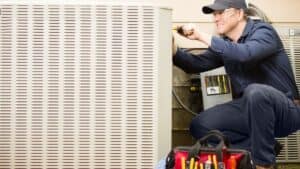
The best way to know for sure is to have an HVAC technician take a look. They’ll confirm what your system can handle and what type of air purifier makes the most sense for your home.
Here’s what they’ll usually check:
- System size and layout so the purifier matches your airflow
- Available space near the air handler or furnace for installation
- Electrical setup to confirm the unit can be powered safely
- Purifier type and compatibility so it works correctly with your system
Once they review those details, they can recommend the right option based on what you’re trying to improve. However, if your ducts are leaky, damaged, or poorly sized, you may need air conditioner replacement as part of a bigger fix. Call for an HVAC services technician to get the issue checked out immediately.
The Process of Integrating an Air Purifier Into Your HVAC System
While adding an air purifier to your HVAC system is a simple upgrade, it needs to be done correctly. A technician will look at your current setup, choose the best system for your home, install it in the right spot, and test everything to make sure it’s working as it should.
System assessment
First, the technician checks your HVAC system for compatibility. They’ll also ask about your air quality concerns, like allergies, dust, odors, or VOCs, so they can recommend the right type of purifier.
Unit selection
Based on the assessment, the technician selects the right HVAC air purifier that matches your system’s capacity and targets your air quality issues, such as allergens, dust, or odors.
Installation
If your system can support it, they’ll install the purifier in the ductwork or near the air handler. Depending on the model, this may involve minor duct modifications or choosing a specific location for proper airflow.
Electrical setup
Many in-duct systems need power to run. The technician will connect the unit safely, usually tying it into your HVAC system to make sure it turns on and runs when your system does.
Testing and calibration
After installation, they’ll test airflow and confirm the purifier is working as it should. If adjustments are needed, they’ll fine-tune the setup.
Factors to Consider Before Integrating an Air Purifier
It helps to get clear on what you want it to do and what your system can support right out the gate. A little thinking up front makes it much easier to choose the right setup.
Air quality concerns
Start with the “why.” Are you trying to reduce dust? Cut down on pet dander? Deal with odors? Improve airflow that feels stale? The issues you want to solve will help determine the best technology and filter type for your home.
HVAC system compatibility
Most systems can handle an upgrade, but compatibility still matters. A technician can confirm what your HVAC setup can support based on the system design, available space, and how your ductwork is configured.
Maintenance requirements:
An air purifier is not a “set it and forget it” add-on. Filters may need replacing, and the unit may need occasional cleaning. Knowing what maintenance looks like ahead of time helps you avoid surprises later.
Cost considerations:
Pricing depends on the type of system you choose and how involved the installation is. It also helps to think beyond the upfront cost and factor in ongoing maintenance and replacement parts.
Maintenance and upkeep of an in-duct air purification system
Once your HVAC air purification system is installed, maintenance is what keeps it running at full capacity. Fortunately, most upkeep is simple as long as you’re consistent with it.
Filter replacement
If your unit uses filters, they’ll need to be replaced on a set schedule. Follow the manufacturer’s recommendations to ensure the system can keep capturing pollutants effectively.
Cleaning
Dust can build up on the exterior and surrounding areas over time. A quick, regular wipe-down helps keep airflow steady and prevents grime from collecting around the unit.
Professional Servicing
It’s best to have an HVAC technician inspect the system during routine maintenance visits. They can confirm it’s operating properly and catch small issues before they become bigger ones.
FAQs
1. What types of air purifiers can be added to an HVAC system?
2. How is an HVAC air purifier different from a portable unit?
3. Will adding an air purifier affect airflow?
A properly installed air purifier for HVAC system should not restrict airflow. A technician will match the system size and capacity to maintain balanced performance.
4. How much does it cost to add an HVAC air purifier?
Pricing depends on the purifier type, your HVAC layout, and installation complexity. Basic add-ons cost less, while advanced systems with UV or ion-style technology cost more. The best way to price it is with an in-home assessment.
5. Do HVAC air purifiers require special maintenance?
Most need routine upkeep, like filter changes (if applicable) and occasional cleaning. Some systems also require bulb replacement or periodic checks. Maintenance is usually simple, but it matters if you want the purifier to keep performing well.
6. Can an HVAC air purifier help with allergies?
7. Is it better to upgrade my HVAC filter or add a dedicated purifier?
8. Are all HVAC systems compatible with air purifiers?
Final Words:
Adding an air purifier to your HVAC system is one of the simplest ways to improve air quality throughout your home. Instead of cleaning the air in just one room, an in-duct system treats air as it circulates, helping reduce pollutants and allergens across the entire house.
If you’re thinking about making the upgrade, the next step is a quick assessment from an HVAC technician. They can confirm compatibility, recommend the right option for your needs, and install it correctly.
Want to improve your indoor air quality with a REMO-HALO in-duct air purification system? Contact American Air Cares today and start breathing easier at home. In case you’re having AC issues while you’re thinking about air quality upgrades, it may also be a good time to look into AC repair or replacement.
Improve your indoor air quality today. Request a free consultation to add an HVAC air purifier.