You’ve probably spotted a small puddle under your window unit or noticed water dripping from your central air system and wondered, “Is that normal?”
The short answer is yes, most of the time.
Air conditioning water is a natural byproduct of the cooling process, and there’s more of it than most people realize. Your AC doesn’t just cool the air, it pulls heat and moisture out of it simultaneously.
On a humid day, that can mean anywhere from 15 to 70 liters of water extracted from your indoor air. Understanding why this happens helps you tell the difference between normal operation and a problem worth calling about.
This blog covers how AC produces water, what’s normal, what isn’t, and when it’s time to call in a professional.
How Does an Air Conditioner Produce Water?
Warm, humid air from your home passes over cold evaporator coils inside the air handler. When warm air meets a cold surface, moisture in the air condenses into water droplets. This condensation collects in a drip pan and drains out through the condensate drain line.
So when people ask, “Does an air conditioner need water to run?” No, it doesn’t. Your AC produces water as a byproduct of cooling, and the air conditioning water you see dripping outside is actually a sign that your system is doing exactly what it should.
Is It Normal for an AC to Produce Water?
Yes, within reason. A properly working air conditioner naturally produces water as it removes humidity inside your home. It is normal to see water dripping from the outdoor unit or condensate drain line, especially during hot and humid weather.
Small puddles near the outdoor unit can also happen on humid days, and longer cooling cycles during summer mean more water production because the system is removing more moisture from the air.
Do AC units use water? No.
Standard air conditioners do not require water to operate. Instead, they create water through the normal condensation process during cooling. The only HVAC systems that need added water are evaporative or swamp coolers, which work differently from traditional AC systems.
Why Does Your AC Produce Water? Key Reasons
Water production is a normal part of how an air conditioner controls temperature and indoor humidity. The amount of condensation your system creates varies depending on weather conditions, indoor moisture levels, and how long the AC runs.
Below are the most common reasons why AC produces water.
Humidity in the Air
The biggest factor why an AC produces water is humidity. When warm indoor air contains a high amount of moisture, the evaporator coils collect more condensation as air passes over them. This is why homeowners in humid climates notice more water draining from their systems.
The Cooling Process
Every time your air conditioner runs, it is not only cooling the air but also removing excess humidity to improve indoor comfort.
The condensation created during this dehumidification process turns into water that collects in the drain pan and exits through the condensate line. In other words, water production is a normal sign that your AC is doing its job.
High Indoor Humidity Levels
Daily household activities such as cooking, showering, laundry, and even opening doors frequently increase indoor humidity levels. Poor ventilation or air leaks make the problem worse.
When there is more moisture inside your home, your AC system has to remove more humidity, leading to increased water production.
Longer Cooling Cycles
During extremely hot weather, your air conditioner runs for extended periods to maintain the desired indoor temperature. Longer cooling cycles mean the system spends more time pulling moisture from the air, resulting in condensation and water draining from the unit.
Seasonal Weather Conditions
Rainy weather and humid summer conditions increase the amount of moisture present in the air before it even enters your HVAC system. Because of this, your air conditioner produces noticeably more water during certain times of the year.
Problems only arise when water leaks inside your home, pools excessively around the system, or stops draining properly.
Why Is Your AC Leaking Water Inside the House?
Water leaking inside your home is a sign that something in the AC is not draining or operating properly. Common causes include:
- Clogged Condensate Drain Line
Dirt, mold, algae, or debris block the drain line and prevent condensation from draining properly. When water backs up, it overflows near the indoor unit and leaks into your home, causing indoor AC leaks. - Frozen Evaporator Coils
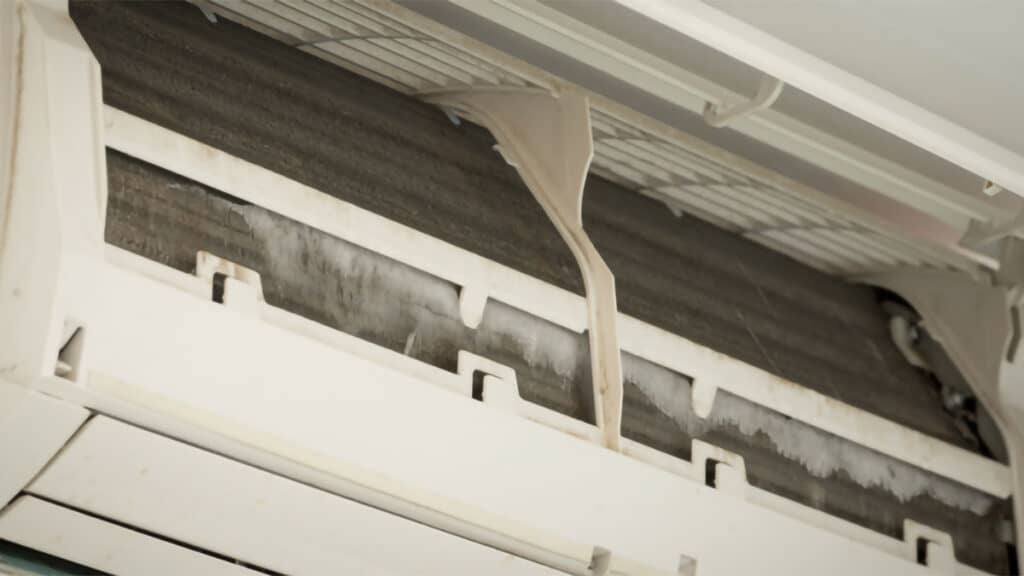
Restricted airflow or low refrigerant causes the evaporator coils to freeze over. Once the ice melts, the excess water may overwhelm the drain pan and start leaking around the system. Poor cooling performance often appears alongside this issue. - Dirty Air Filters
A clogged air filter reduces airflow throughout the system, making it harder for the evaporator coils to function properly. This leads to frozen coils, excess condensation, and water leaks as the ice begins to thaw. - Broken Condensate Pump
Some HVAC systems rely on a condensate pump to move collected water outside the home. If the pump fails or stops working correctly, water builds up inside the system and leaks around the air handler. - Low Refrigerant Levels
Low refrigerant pressure inside the system causes the evaporator coils to become excessively cold. As the coils freeze and thaw repeatedly, water can overflow from the drain pan and leak indoors.
Ignoring indoor AC leaks results in water damage, mold growth, and expensive repairs over time.
When the Drain Line Fails and What Happens Next
The condensate drain line does one job, carry water out of your home safely. When it stops working properly, everything downstream fails with it.
The most common cause is a blockage. Dirt, mold, and algae accumulate inside the line over time, especially in humid climates where the system runs hard for months straight.
But blockages aren’t the only culprit.
Improper slope during installation means the air conditioning water has nowhere to go. Gravity-dependent systems back up when the line runs flat or tilts the wrong way. Cracked joints and disconnected pipes are less common but harder to spot, since the failure point is tucked away inside a wall or ceiling cavity.
Left unaddressed, a failing drain line doesn’t just drip, it compounds. Watch for:
- Water pooling indoors around the air handler or along baseboards
- Musty odors from vents, which always signal mold growth in the drain pan or ductwork. A problem that spreads faster than most homeowners expect
- Your AC is running but not cooling, which means the system is struggling with a secondary issue triggered by restricted drainage
- Ice on the evaporator coils or refrigerant lines is a sign that the problem has moved beyond the drain line entirely
Ignoring these signs mean a bigger repair bill later. Water sitting against drywall, insulation, or ductwork creates mold conditions within 24 to 48 hours says the U.S. EPA.
What starts as a clogged AC drain line can turn into a remediation project if it goes unnoticed through a long cooling season.
What You Can Fix Yourself and When to Call a Pro
Some air conditioning water problems are genuinely DIY-friendly, and knowing which ones saves you an unnecessary service call.
A dirty air filter is the most overlooked cause of drainage issues. It restricts airflow, causes coils to freeze, and when the ice melts, the drip pan overflows. Replacing it monthly during peak season costs a few dollars and prevents a chain reaction of problems.
A minor drain clog can be cleared with a wet/dry vacuum at the drain line access point. You should also check your thermostat settings. If the fan is set to “on” instead of “auto,” it can circulate air continuously and increase indoor moisture levels.
But there’s a clear line between maintenance and repair, and crossing it without professional help makes things worse:
- Frozen coils that keep coming back after you’ve already replaced the filter point to a refrigerant issue. Refrigerant handling requires certification, and an incorrect recharge damages the compressor.
- Persistent or recurring leaks that return within days of clearing the drain line point to a larger issue with the line itself, such as an improper slope, a cracked pipe, or a disconnected joint that needs repair or replacement.
- Musty smells from vents after you’ve addressed the visible leak mean mold has taken hold. At that point, air duct cleaning isn’t optional, but how you stop it from circulating through every room in the house.
- Any electrical symptoms near the air handler, such as tripped breakers, burning smells, or flickering, need a technician before anything else.
If your system is leaking, not cooling, and has been running for 10 or more years, it’s worth having a professional assess whether repair still makes sense.
Depending on what they find, AC replacement may be the more cost-effective call, especially if refrigerant or compressor work is already on the table. For anything beyond a filter swap or a quick drain flush, schedule a service visit before the damage compounds.
Trust American Air Cares to Keep Your AC Running Right
Air conditioning water production is completely normal. It means your system is cooling and dehumidifying your home the way it should. But when water shows up inside your home, you’re dealing with something that needs attention.
Whether it’s a clogged drain line, frozen coils, or a refrigerant issue, catching it early saves you money and prevents bigger damage. That’s where American Air Cares can help.
Our licensed and insured HVAC technicians diagnose the root cause of AC leaks and provide reliable repairs to restore cooling and drainage before the problem worsens.
We proudly serve Port St. Lucie and the surrounding areas with professional AC repair, maintenance, and replacement services. If your AC is leaking water, struggling to cool, or showing signs of drainage issues, contact us and get your system running the way it should.
Frequently Asked Questions
Is It Normal for an AC to Produce Water?
Yes. How AC produces water is through condensation. Moisture from warm indoor air collects on cold evaporator coils and drains out, which is normal and expected.
Why Is My AC Leaking Water Inside My House?
Indoor leaks point to a clogged drain line, frozen coils, a dirty filter, or a broken condensate pump. None of these are normal, and all should be addressed promptly.
How Much Water Should Come Out of an AC Drain Line?
On a humid day, a typical central AC drains several gallons. The exact amount depends on humidity levels and how long the system runs.
Can a Clogged Drain Line Cause AC Leaks?
Absolutely. A blocked condensate drain line is one of the most common causes of indoor AC water leaks.
Should I Turn Off My AC if It Is Leaking Water?
Yes. If water is leaking inside your home, turn the system off and call a professional. Running it risks further damage.
Why Is My AC Not Cooling and Leaking Water?
This usually means frozen evaporator coils caused by restricted airflow or low refrigerant. Both symptoms together warrant a professional inspection.
Can Dirty Filters Cause AC Water Problems?
Yes. A dirty filter restricts airflow, which causes the coils to freeze. When the ice melts, it overflows the drip pan and leaks.
When Should I Call for AC Repair If Water Is Leaking?
Call as soon as the leak is persistent, located indoors, or accompanied by poor cooling performance or unusual smells. Early action prevents costlier repairs.