A burning smell from an air conditioning (AC) system can turn a normal day in Port St. Lucie, Florida, into a real concern. If you find yourself smelling a sharp plastic odor, that can point to dust, debris, hot wiring or a motor under strain. That concern also leads many local homeowners to search for professional AC repair services before the smell gets worse.
In a warm, humid area like the Treasure Coast, AC systems run for much of the year, putting extra strain on their components. Extended run times can bring worn parts and electrical issues to the surface sooner, from failing blower motors to loose wire connections.
That is why a burning plastic smell from the AC should never be ignored, even if the system is still cooling your home. This blog explains common causes of burning odor from ACs, warning signs that call for fast service and quick checks a homeowner can do safely before taking major steps.
What Causes That Burning Plastic Smell in Your AC
A plastic-like odor can come from several parts of a heating, ventilation and air conditioning (HVAC) system. Some causes are minor, while others may point to a fire risk. The pattern of the smell can help narrow the source. Here are some of the sources that may lead to a burning smell:Electrical shorts or hot wiring
One serious cause is HVAC electrical failure inside the air handler, control board or motor wiring. When wire coating, relay parts or board parts get too hot, they can give off a sharp, acrid smell. That odor may travel through the duct system and come out of supply vents. A homeowner may notice lights dim, a breaker trip or the system shut off without warning. Those clues point to an electrical issue, not a basic filter problem. If an HVAC system smells like burning plastic and the odor comes with buzzing or a breaker trip, the system should stay off until it is checked.Blower motor strain or bearing wear
Another common cause is blower motor overheating. The blower motor moves air through the home. If the motor bearings wear down, the motor can strain under load. That strain can create a hot, plastic-like odor near the indoor air handler. A blower motor burning smell in an AC system may be strongest when the system first starts. It can also get worse during long run cycles on hot days. In Port St. Lucie, that pattern can show up during late spring, summer or long humid spells when systems run for hours.Debris near hot or moving parts
Leaves, bits of plastic, small toys, insulation fragments or pest nesting material can reach the outdoor unit, return area or indoor cabinet. When debris touches hot metal, moving belts or motor parts, it can release a plastic or rubber odor. This cause is more likely after yard work, a windy storm or home projects near vents. If a return grille was open during repair work, small debris may have entered the duct path. These AC burning odor causes can seem minor, but debris can still damage moving parts.How to Identify the Source Quickly
A homeowner should not open sealed electrical panels or touch live parts. However, simple checks can reveal useful clues. Those details can help a technician find the fault faster and can help decide whether the system should stay off. If you are a homeowner, try doing these:Track when the smell happens
If HVAC smells like burning plastic when turned on, the source may be startup strain, dust burning off or a motor that struggles to begin its cycle. If the smell appears after a long run, the issue may involve heat buildup under load. Use these basic timing notes:- Startup only: dust, debris or a motor bearing starting to fail
- During long cycles: motor strain, poor airflow or hot wiring
- On very hot days: electrical overload or blower stress
- After storms or yard work: debris near the outdoor unit or vents
Check the air filter
A clogged filter can restrict airflow. That makes the blower work harder and can raise heat inside the air handler. A dirty filter can also hold dust that gives off a burnt odor when air starts moving through the system. Pull the filter and look for gray buildup, heavy dust or collapsed pleats. If the filter looks packed, replace it with the correct size and rating. Do not use a filter that is too dense for the system, since that can reduce airflow and add strain.Locate where the smell is strongest
Smell location helps separate indoor and outdoor issues. If the odor comes from several supply vents, the source may be inside the air handler or duct path. If it is strongest at the return grille, the blower area may be involved. If the odor is strongest near the outdoor condenser, debris, fan motor heat or wiring near the condenser may be the source. An HVAC system that smells like burning plastic outside the home can still affect system safety, even if the odor is not strong indoors.When the Smell Signals Danger
A burning plastic odor can signal a critical hazard. The strongest warning signs involve smoke, sound, heat or electrical faults. In those cases, the safest next step is to stop the system and avoid further use until a technician checks it.Shut the system down for strong warning signs
Turn off the AC right away if the smell is strong, sharp or acrid. Shut it down if there is visible smoke, a burning sound, a buzzing sound or a tripped breaker. Those signs can point to HVAC electrical failure, loose wiring or a failed part heating beyond safe limits. Do not test the system again to see if the smell returns. Repeated starts can add heat to weak wiring or a failing motor.Watch for persistent odors
A mild smell that clears within a few minutes may be residue from dust or a system that has sat idle. A smell that stays, returns each cycle or grows stronger points to a real fault. That pattern can involve loose wiring, debris on hot parts or blower motor overheating. A lingering burning-plastic odor can affect both comfort and indoor air quality. The fumes may irritate the eyes, nose, and throat and can trigger symptoms such as coughing or difficulty breathing. Children, older adults, and people with asthma may be more sensitive to these fumes and notice symptoms sooner.Treat health symptoms with care
If anyone in the home feels throat burn, dizziness, coughing or eye pain, move to fresh air and keep the system off. Do not depend on candles, sprays or air fresheners. Those products can mask the smell without fixing the source. The core question is not just why does my air conditioner smell like burning plastic. The bigger question is whether the source is safe enough to allow more run time. So, when smoke or symptoms become prominent, the answer is no.Steps to Take When Your AC Has a Burning Smell
The safest steps depend on how strong the odor is and what else is happening. A homeowner can take a few basic actions without opening panels or touching electrical parts. These steps help reduce risk and may fix a mild airflow-related odor:1. Stop unsafe operation first
If the smell is strong, shut the system off at the thermostat. If smoke, flame, crackling, buzzing or a tripped breaker appears, leave the system off. Do not use fan-only mode in that case because the fan may move fumes through the home. If the odor is mild and appears only at startup, fan-only mode may help clear light residue while further checks are made. Use that option only when there is no smoke, no odd sound and no breaker issue. If the odor returns, stop the system.2. Replace or clean the filter
For mild odors, the filter is the simplest place to start. Turn the system off, remove the filter and check for heavy dirt. Replace a disposable filter with the same size. Clean a reusable filter based on the maker’s directions, then let it dry fully before use.3. Check for visible debris
Look around the outdoor condenser. Clear leaves, mulch, plastic bags and yard waste from the area near the cabinet. Keep hands away from the fan blade and do not remove panels. Around the indoor return, check for paper, pet hair buildup or objects resting against the grille. Homes in the Treasure Coast that sit near trees, canals, or open lots may see more leaves and debris collect around outdoor AC equipment. So, a quick check after a storm can help catch buildup before it leads to a larger repair issue.Why Professional Diagnosis Matters
Basic home checks can narrow the source, but they cannot confirm the condition of electrical parts, motors, or sealed areas. On the contrary, a licensed technician has the tools to test voltage, inspect wire ends, test blower operation and check for heat damage. That level of diagnosis protects both the system and the home.What a technician checks
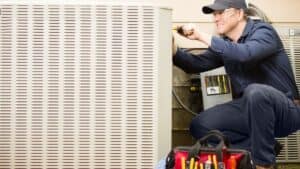
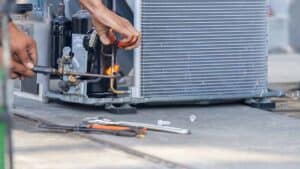
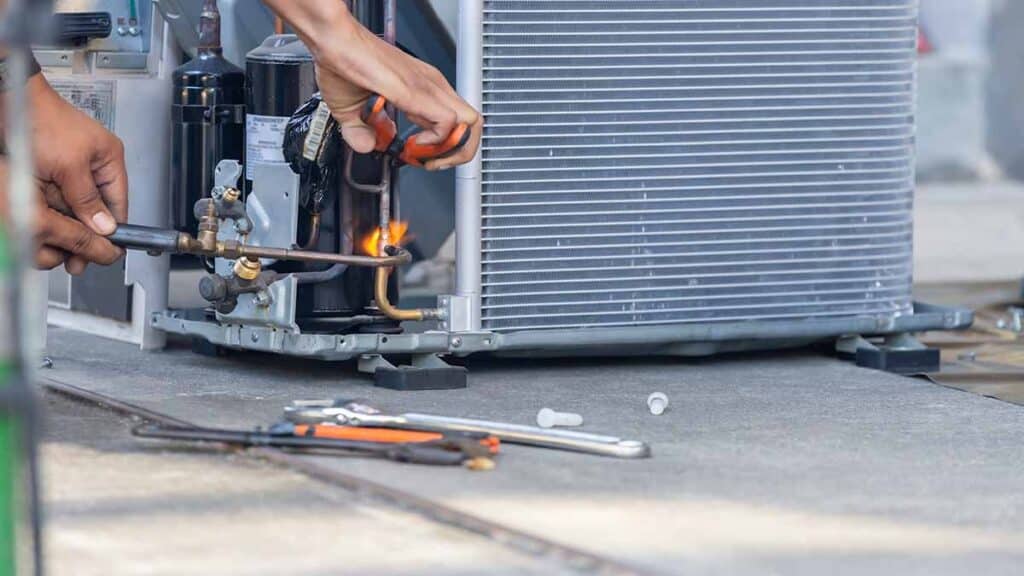
A trained technician can inspect the control board, wire connections, blower motor, capacitor, relay parts and condenser area. They can also check for charred insulation, loose terminals, blocked airflow or debris near hot surfaces. Professional AC repair services go beyond replacing a filter or clearing leaves near the outdoor unit. A proper visit may include amp draw checks on the blower motor, capacitor testing, temperature checks and a review of wiring condition. Those steps help identify the source before the system runs again.Why delay can raise repair cost
A worn blower bearing can force the motor to work harder than it should, generating excess heat in the process. That added strain can heat wiring, damage the capacitor, or reduce airflow across the coil. As airflow drops, other components, including the compressor, may also come under extra stress. What starts as a mild blower motor burning smell in an AC system can then develop into a more serious system fault if left unchecked. If the odor was accompanied by smoke, a tripped breaker, or noticeable heat near the cabinet, professional testing can help identify the source and rule out an electrical or fire hazard before the unit runs again. In these cases, getting the system running again is not as simple as turning the thermostat back on.What to tell the technician
A few specific details can give the technician a clearer picture before they inspect the system. Note when the odor began, where it is strongest, and anything unusual that happened around the same time. Helpful details to share with the technician include:- Whether the smell appears at startup or after the system has been running for a while
- Whether the odor comes from the vents, return grilles, or outdoor unit
- Whether the AC is cooling normally
- Whether you noticed unusual sounds, smoke, heat, or a tripped breaker
- Whether the filter was dirty, clogged, or recently replaced
- Whether recent storms, yard work, or home projects could have affected the system
Frequently Asked Questions
Is a burning plastic smell from my AC dangerous?
Yes, a strong acrid smell with smoke, burning sounds or a tripped breaker signals immediate danger. Shut the system off and avoid using it again until it is checked. Milder smells still call for inspection because fumes can irritate children, older adults and people with asthma.
How long does a burning smell last after AC startup?
A brief residual smell at first startup may clear within minutes. If the odor stays, returns each cycle or gets stronger, the system needs diagnosis. That pattern can point to wiring heat, motor strain or debris on hot parts.
Can a dirty air filter cause my AC to smell like burning plastic?
Yes, a clogged filter can force the blower to work harder. That added strain can cause dust or debris to heat up and smell like plastic. To address this issue, try replacing the filter.
Should I turn off my AC if it smells like burning plastic?
Yes, turn it off if the smell is strong, sharp or paired with smoke, sounds or a breaker trip. If the odor is mild and appears only at startup, turn the system off and check the filter and visible debris. If the odor returns when the system runs again, stop using it and schedule service.
Will the smell go away on its own?
A mild odor at startup may fade as the system runs, but a persistent burning smell can signal a problem with the motor, wiring, or debris inside the unit. Delaying AC repair services can allow the issue to worsen. This can increase the risk of further damage and a more costly repair.